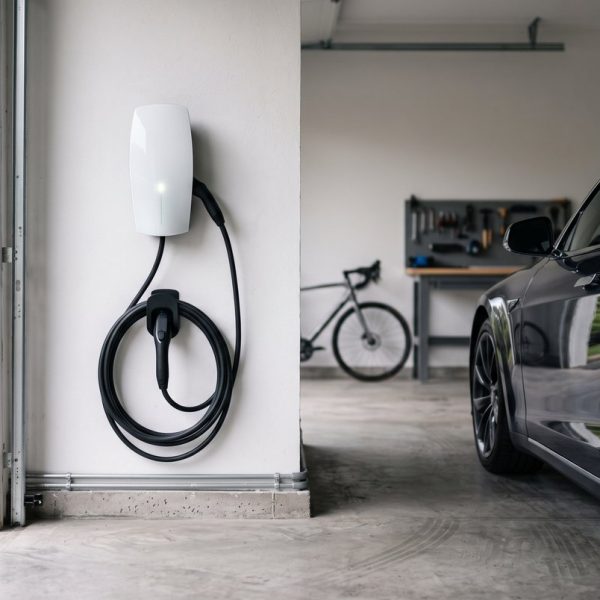
EV Charger Installation: What to Plan Before You Call an Electrician
- October 01, 2026
- Electric Vehicles , ev charger installation
Most delays in EV charger installation have nothing to do with the charger. They come from questions nobody asked early enough: whether the electrical panel has spare capacity, where the cable run will go, which permits apply, and who is responsible once the unit is switched on. A little planning before the first quote turns a stressful project into a predictable one.
Start with the electrical supply, not the charger
The brand on the wallbox matters far less than the supply behind it. A typical Level 2 unit draws a continuous load that can rival an electric oven, so the first job for any electrician is a load calculation on the existing panel. If the panel is old or already crowded, the real cost may be an upgrade or a smart load management device that shares capacity with the rest of the building.
Distance is the other hidden variable. Every extra meter of cable between the panel and the parking space adds trenching, conduit and labor. Garages built against the main panel are cheap to wire, while detached garages and street-facing driveways can double the effort. A good installer will walk the route with you and sketch it before quoting, not after.
What drives the price of Level 2 EV charger installation
People searching for EV charger installation cost usually want one number, and honest installers cannot give it without seeing the site. What they can explain is the structure of the bill. Hardware is the smaller part for most homes. Labor, permit fees, panel work, wiring distance and any concrete or wall penetration make up the rest, and each one varies by region.
If you are comparing quotes for level 2 EV charger installation, check that each one lists the same scope: circuit breaker size, wire gauge, mounting hardware, permit handling and testing. A low quote that leaves out the permit or the breaker is not low at all. Ask whether incentives or utility rebates apply, because several programs pay for the installation itself, not just the equipment.
Permits, inspections and local rules
Most jurisdictions treat a new charging circuit as regulated electrical work. That usually means a permit, an inspection and a licensed electrician, and in apartment buildings it may also mean approval from a landlord or homeowners association. Skipping these steps can void insurance and make resale harder, so it is worth confirming the rules before you buy equipment. The overview of the charging station concept on Wikipedia is a handy primer on connector types and power levels if you want to speak the installer's language.
Homeowners who are still deciding between a wall unit and a portable cable often find it useful to read how others handled the job. This walkthrough of home EV charger installation covers the practical steps from the first site visit to the final inspection, and it pairs well with the checklist in this article.
Commercial sites need a different plan
A commercial EV charging station is a different animal from a driveway unit. Property managers must think about how many bays to equip now and how many to prepare for later, how drivers will pay, how the network will report faults, and who maintains the hardware. Laying empty conduit for future bays during the first installation is one of the cheapest decisions you can make, because digging up a finished car park twice is expensive.
Accessibility, signage and lighting also deserve attention, as does the question of language. Sites that serve tourists, fleets or international tenants need clear instructions, safety notices and support information in more than one language, and technical wording has to be exact. Companies that publish manuals and installation guides across borders can learn from this piece on technical documentation translation, which explains why precision matters when the text describes electrical safety.
Smart features worth paying for
Connected chargers can schedule charging for off-peak hours, report energy use and stop automatically when the household load spikes. For many owners, off-peak scheduling alone repays the extra hardware cost within a couple of years. Choose a unit that receives firmware updates and uses an open standard, so it keeps working if you change energy supplier or add solar panels later.
Questions to ask before you hire
Ask whether the installer is licensed for this specific work, whether they have installed the brand you chose, and who handles the permit. Ask what happens if the inspection fails, how long the warranty on labor lasts, and whether they can commission the charger and show you how to use the app. Real owners also share candid experiences in communities like r/electricvehicles on Reddit, which can help you spot red flags in a quote.
Finally, think about the next vehicle, not just the current one. A circuit sized for a bigger battery or a second car costs a little more today and saves a rewiring job later. Plan for the supply first, the route second, the permit third and the hardware last, and your charging setup will work quietly for years.
That language point matters most where drivers, tenants and visiting staff all rely on the same bays. Instructions for access, payment and fault reporting need to be as clear in every language as the electrical warnings beside them. Property managers who publish that guidance across sites often use professional translation services to keep signage, app text and maintenance notes aligned with the installed hardware. Consistent wording reduces misuse and makes inspections easier to document.